Landscaping serves more than just aesthetic purposes; it creates functional outdoor spaces that enhance property value, promote well-being, and can even contribute to environmental sustainability. However, the responsibilities associated with commercial landscaping extend beyond design to encompass safety standards that protect both workers and visitors. Balancing these aspects requires a strategic commercial grounds upkeep approach that integrates safety protocols into the landscape maintenance process while maximizing the functionality and beauty of the outdoor environment.
The Importance of Safety in Commercial Landscaping
Commercial landscaping encompasses various services, including landscape design, grounds maintenance, lawn care, and hardscape installation. Each of these services brings unique challenges that must be managed to uphold safety. For instance, equipment used in landscape maintenance—such as mowers, trimmers, or heavy machinery—can pose hazards if not operated properly. Ensuring the safety of employees and clients is paramount; thus, adherence to safety regulations is non-negotiable.
In an industry where physical labor predominates, injuries can occur if proper precautions are overlooked. According to the Occupational Safety and Health Administration (OSHA), slips, trips, commercial landscaping falls, and equipment-related accidents account for a significant percentage of landscaping injuries. Therefore, implementing comprehensive safety training programs for commercial landscapers is essential. These programs should cover equipment operation, handling hazardous materials like fertilizers or pesticides, and general site management practices.
Key Elements of Safe Landscape Maintenance
Effective landscape maintenance combines technical knowledge with practical skills to create safe working environments. Understanding the risks associated with specific tasks helps mitigate potential hazards. Here are a few critical elements that should be considered when developing a landscape maintenance plan:
Training and Certification: All personnel should undergo rigorous training in operating machinery safely and handling horticultural products responsibly. Regular refresher courses can ensure workers remain knowledgeable about the latest safety practices.
Personal Protective Equipment (PPE): Providing appropriate PPE is vital for safeguarding workers against environmental hazards. This includes gloves, goggles, helmets, and ear protection depending on the task at hand.
Site Assessments: Conducting thorough assessments before initiating work allows teams to identify potential hazards such as uneven terrain or nearby traffic areas. These evaluations foster proactive planning to ensure worker safety.
Emergency Response Protocols: Having clear protocols for emergencies enables teams to respond effectively when accidents do occur. This includes first aid training and having readily available supplies on-site.
Regular Equipment Maintenance: Ensuring that all tools and machinery are regularly inspected and maintained minimizes malfunction risks that could lead to injury.
Optimizing Landscaped Areas for Functionality
While maintaining safety standards is crucial, optimizing landscaped areas enhances their usability and visual appeal without compromising these standards. Strategic planning involves understanding how different elements interact within the environment while considering client needs.
Designing Functional Spaces
A well-designed landscape marries form with function by incorporating diverse elements such as plants, walkways, seating areas, and lighting—all while maintaining accessibility for users of varying abilities. When designing commercial landscapes:
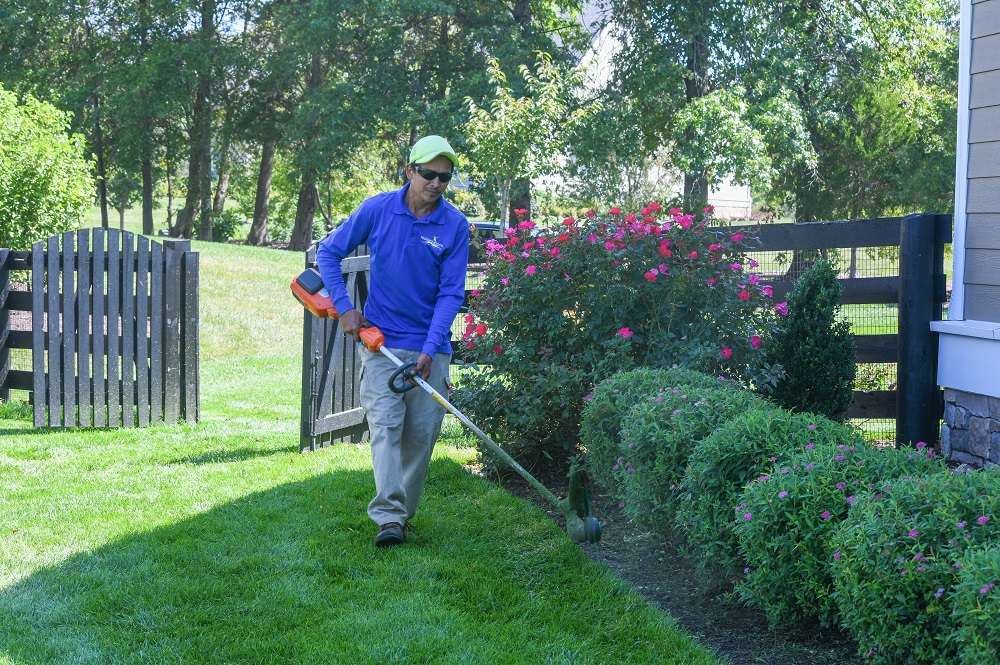
- Select plants suited for local climate conditions to minimize pest resistance. Use hardscapes strategically to manage pedestrian flow while reducing muddy areas during rain. Incorporate native plants which typically require less water and fertilizer while providing habitat for local wildlife.
Sustainability Considerations
Sustainable landscaping practices not only reduce environmental impact but also enhance long-term efficiency in property management. Green infrastructure features such as rain gardens or permeable pavements can optimize water management while creating visually appealing spaces.
For example, installing permeable pavers allows stormwater runoff to filter through rather than pooling on surfaces where it could create hazards or drainage issues later on. This not only maintains aesthetic appeal but contributes positively to local ecosystems.
Integrating Technology into Commercial Landscaping
Advancements in technology have opened new avenues for enhancing safety standards alongside optimizing landscaped areas. Drones can survey properties quickly for routine inspections without requiring personnel to traverse potentially dangerous zones such as steep slopes or dense vegetation.
Similarly, landscape management software streamlines scheduling tasks—ensuring adequate workforce allocation—and tracking equipment maintenance schedules efficiently reduces risk exposure by promoting timely interventions before issues escalate into accidents.
Precise Turf Management Techniques
Another area where technology greatly benefits commercial landscaping is turf management through precision agriculture techniques like soil moisture sensors or automated irrigation systems designed based on real-time data collection rather than traditional fixed schedules.
This targeted approach not only conserves resources but ensures healthier landscapes overall since stressed lawns often signal underlying problems requiring immediate attention before they escalate into costly repairs or replacements down the line.
The Role of Professional Commercial Landscapers
Engaging professional commercial landscapers brings expertise that supports compliance with stringent industry regulations while facilitating aesthetic enhancements across varied properties—from corporate campuses to retail centers or educational institutions.
These professionals possess comprehensive knowledge about local horticulture conditions along with established networks within regulatory bodies ensuring adherence even amid evolving guidelines regarding pesticide use or waste disposal methods tailored specifically towards sustainable practices aimed at minimizing environmental footprints across projects undertaken nationwide.
By integrating these insights into everyday operations—from design phases through ongoing landscape maintenance—businesses can streamline their approach toward safe yet optimized landscapes catering effectively towards client expectations without sacrificing quality service delivery over time spans dictated primarily by seasonal demands associated with regional climates encountered throughout different states across America today!
Conclusion: Striking a Balance Between Safety and Aesthetics
Maintaining high safety standards while optimizing landscaped areas requires a multifaceted strategy that blends technical skills with creative solutions tailored for each unique project undertaken by professionals within this dynamic industry space surrounding commercial landscaping services offered nationwide today! Prioritizing employee welfare alongside client satisfaction fosters enduring relationships built upon trust stemming from consistently delivering results meeting established benchmarks concerning operational excellence observed across multiple sectors involved directly within this field over recent years leading into future prospects emerging globally!
Ultimately investing time resources upfront devoted towards cultivating sustainable practices yields substantial dividends down paths taken leading forward benefiting everyone involved throughout entire process—from initial consultations guiding clients through final installations completed seamlessly executed ensuring all parties experience positive outcomes resulting from collaborative efforts focused primarily upon achieving shared goals desired mutually beneficially achieved together collaboratively moving ahead confidently embracing changes ahead!